
Bituminous coatings
Bituminous coatings were used by the Sumerians of the ancient Middle East for various construction purposes, including bricklaying, caulking, and waterproofing ships.
In modern society, the growing demands and harsh industrial environments emphasize the need for bitumen in safeguarding and waterproofing various structures.
What is bituminous coating?
A bituminous coating, also called asphalt coating, is a protective layer made from bitumen (asphalt or tar) that forms a durable, flexible, and waterproof barrier. This black, viscous substance, derived from petroleum, has a lubricous texture and is highly valued in construction for its ability to protect surfaces like concrete, metal, and wood from water damage, corrosion, and environmental factors.
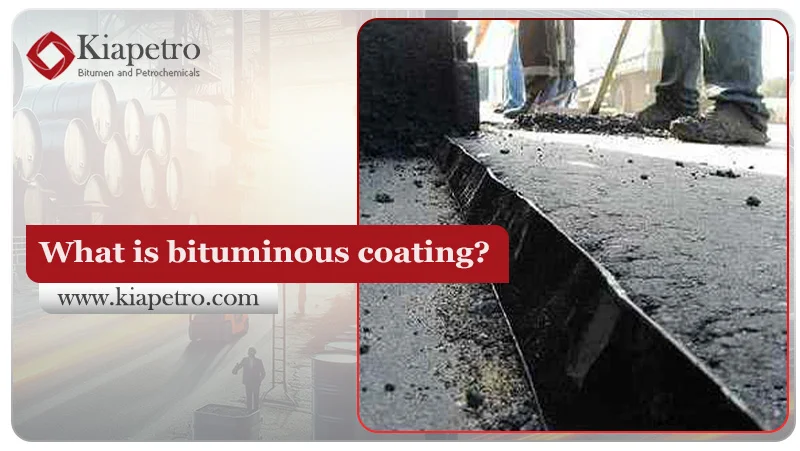
Its polymerization grade and fiber reinforcement enhance flexibility and protection, making it effective for creating a vapor-proof shield. Its sticky nature also allows it to function as an excellent adhesive, providing outstanding bituminous coating waterproofing capabilities.
Furthermore, bituminous coatings offer high resistance to harmful UV rays and harsh chemicals, ensuring long-lasting performance across various applications. Widely used for surfaces requiring durability and protection, bituminous coatings excel in construction projects due to their versatility and reliability.
Types of bituminous coating
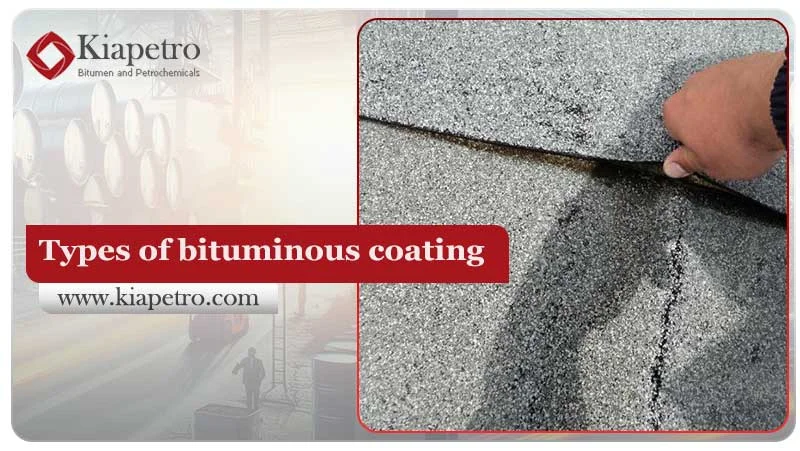
Bituminous-coatings are essential in construction, offering excellent protection against moisture, water seepage, and structural deterioration. These materials have become indispensable due to their durability and effectiveness, evolving to meet modern engineering demands. Some of the best bituminous coatings in foundation are explained below.
Tarmac
Tarmac, short for tarmacadam, is made by mixing crushed aggregates with molten tar. It is heated to a specific temperature, applied to the surface, and hardened to form a strong and durable layer. Tarmac is one of the best bituminous coatings which is ideal for leveling roads and driveways.
Bitumen
Bitumen, a dense, viscous, black semi-solid, is widely used as a binder in road construction. It effectively binds aggregates, creating strong surfaces. Due to its thick consistency, bitumen must be heated before application to ensure proper mixing and adhesion.
Asphalt
Asphalt is a composite material that includes bitumen as a primary component. Though similar in appearance, asphalt differs from bitumen in its composition. It is prepared by mixing aggregates with bitumen and applied to create durable and long-lasting surfaces.
Benefits of bituminous coatings
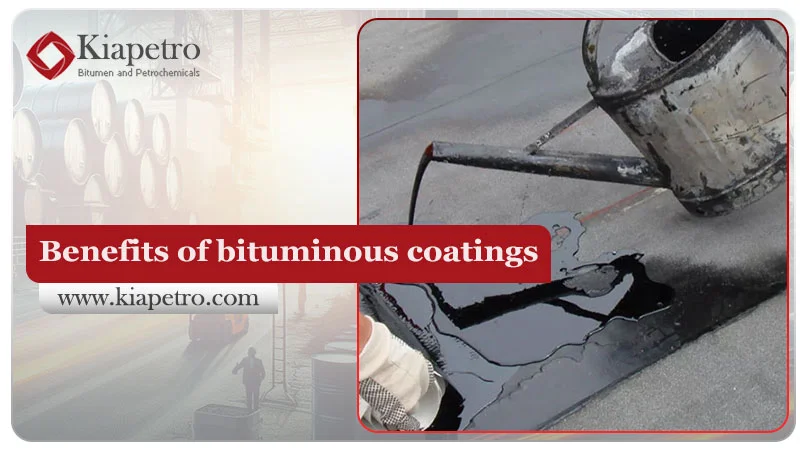
Bituminous-coatings and paints are highly regarded in construction due to their exceptional protective qualities, cost-effectiveness, and versatility. Below are some of the key advantages:
- Water Resistance: Bituminous-coatings form a strong bond with surfaces, effectively blocking water and moisture from penetrating. This helps prevent rust, decay, and mold growth, keeping structures safe from water damage.
- Affordable: These coatings provide a budget-friendly option for various construction projects, with bituminous coatings price offering durable protection without compromising quality.
- Long-lasting & Durable: Bituminous coatings are incredibly durable, withstanding harsh weather, UV radiation, and exposure to chemicals. With proper application, they can last up to 15 years, especially on porous surfaces like wood, providing long-term protection.
- Versatile Protection: Bituminous-coatings protect against chemicals, moisture, and mechanical wear, making them ideal for foundations, roofs, and exposed structures.
- Quick Drying & Neat Finish: These coatings dry quickly (in about 2-4 hours), with a second coat recommended after 12 hours. Once dry, the coating provides a smooth, odorless, and taint-free finish, ensuring a clean, professional result.
- Chemical & UV Protection: Bituminous-coatings are resistant to many salt solutions, mild acids, alkalis, alcohol, and UV rays, which help protect surfaces from environmental damage, thereby enhancing their longevity.
- Weather Resistance: They provide excellent weatherproofing, shielding surfaces from extreme temperatures, rain, and moisture. This significantly extends the lifespan of the substrate and helps maintain its structural integrity.
- Improved Adhesion: These coatings bond well with most construction materials, including concrete, wood, metal, and other bituminous surfaces. This strong adhesion ensures effective and lasting protection for a variety of surfaces.
- Environmental Safety: Many bituminous-coatings are formulated to be non-toxic once cured, making them a safe choice for both human health and the environment during use.
- Flexibility & Crack Resistance: Their enhanced flexibility allows them to expand and contract with temperature changes, preventing cracking, peeling, or damage over time. This ensures long-lasting protection, especially in areas with temperature fluctuations.
- Corrosion Protection: Bituminous coatings for metal effectively protect surfaces from corrosion, especially in environments with moisture, chemicals, or industrial conditions.
- Ease of Application: Bituminous-coatings are easy to apply using brushes, rollers, or sprayers. This flexibility in application reduces labor time and costs, making them ideal for both large-scale and smaller projects.
- Reduced Maintenance Costs: Due to their durability and resistance to damage, bituminous-coatings help reduce the need for frequent maintenance, saving both time and money over the long term.
What is bituminous coating used for?
Bituminous-coatings are extensively used across multiple sectors, including construction, agriculture, and marine, offering durable and long-lasting protection for a wide range of materials, including bituminous coating for steel and bituminous coating for concrete. Here are their specific uses with added details:
| Sector | Application | Details |
| Agricultural | Farm Structures and Storage Tanks | Protects against corrosion, moisture, and environmental damage, extending the life of structures and tanks. |
| Marine | Boat Hulls | Prevents saltwater corrosion and UV damage, ensuring the longevity of marine vessels and equipment. |
| Construction | Cladding | Bituminous-coatings protect external surfaces from weathering, moisture, and environmental damage. |
| Industrial | Corrugated Iron Sheets | Bituminous-coatings protect metal from rust and corrosion in exposed environments. |
| Rainwater Systems | Downpipes and Guttering | Waterproof downpipes and gutters to prevent water damage and corrosion in rainwater systems. |
| Outdoor Infrastructure | Fences and Gates | Protects against the elements, providing long-lasting durability and reducing maintenance needs. |
| Masonry & Posts | Outdoor Areas | Protects posts from moisture, ensuring stability. |
| Structural Protection | Railings and Roofing | Protects against corrosion, weathering, and damage in harsh climates and industries. |
| Storage Tanks | Water and Chemical Tanks | Protects storage tanks from damage, extending their lifespan. |
| Marine Environments | Ship Decks and Docks | Ideal for marine use, offering corrosion resistance and waterproofing. |
Two main bituminous coatings
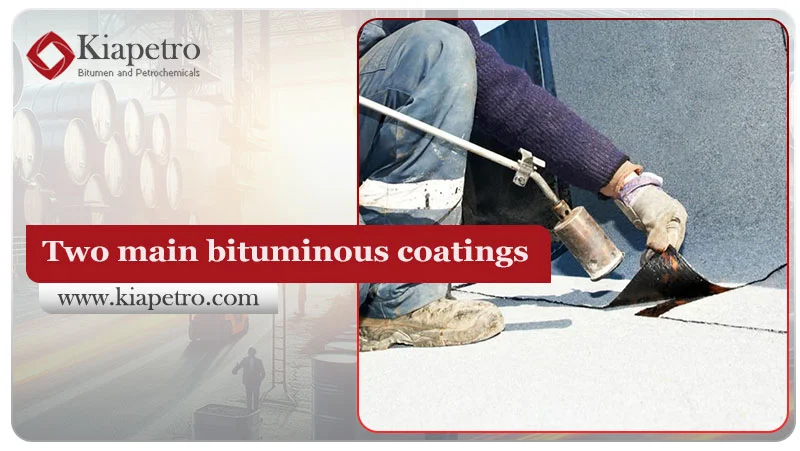
Bituminous coatings are essential for protecting structures from environmental and chemical damage. These coatings come in two main types. Each type has unique characteristics that make them suitable for specific applications.
Hot-Applied Coatings
These coatings are heated to a high temperature before application. The heat helps achieve the desired viscosity, making them ideal for underground and buried infrastructure, such as pipelines. Hot-applied coatings provide a smooth, durable finish that withstands harsh environmental conditions.
Cold-Applied Coatings
These coatings use solvents or water to achieve the right viscosity, making them easier and quicker to apply. Cold-applied coatings are commonly used on exposed surfaces like roofs, walls, and other above-ground structures, offering excellent protection with faster drying times.
How to use bituminous coating?
Bituminous coatings provide essential protection for various structures and are applied in liquid form using different methods based on the project’s requirements:
Brushing
Ideal for hard-to-reach areas, with coating thicknesses ranging from 1 to 65 mils.
Spraying
Commonly used for cold coatings, achieving thicknesses between 1 and 250 mils, depending on the desired consistency.
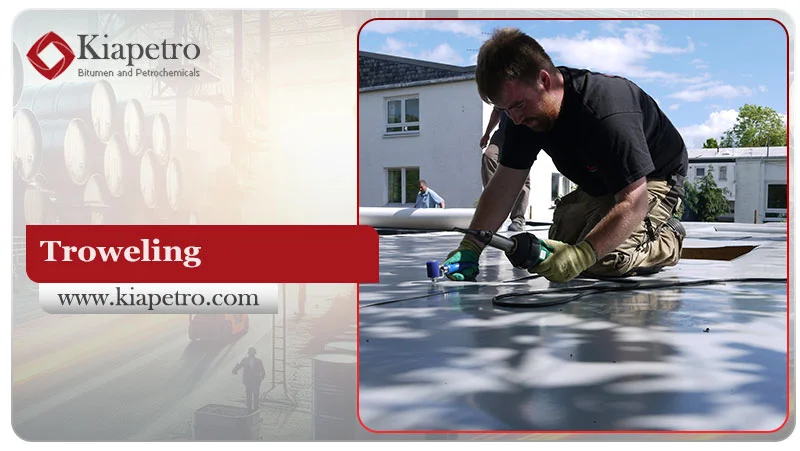
Troweling
Applied in areas requiring heavy coatings, typically over 250 mils, such as inaccessible zones.
Purchasing bituminous coatings
Kiapetro is a versatile company specializing in manufacturing, procuring, distributing, and exporting high-quality bituminous-coatings.
Focusing on meeting diverse client needs globally, we provide cost-effective solutions without compromising on quality. Our bituminous coatings come at competitive prices, ensuring great value for the bituminous coating price.
We guarantee reliable and efficient delivery, ensuring your orders are always on time. We offer flexible payment options with multiple stages to cater to our clients’ needs. All our coatings comply with international standards, ensuring consistent performance and reliability for various applications.
FAQ
- How long does bituminous coating last?
Lasts 5 to 20 years, depending on the surface, environment, and maintenance.
- Are bituminous coatings resistant to chemicals?
Bituminous-coatings resist water and alkalis but not oils or acids.
- How do I store bituminous coatings?
Store bituminous-coatings in a cool, dry place, sealed tightly.
Bituminous coatings were used by the Sumerians of the ancient Middle East for various construction purposes, including bricklaying, caulking, and waterproofing ships.
In modern society, the growing demands and harsh industrial environments emphasize the need for bitumen in safeguarding and waterproofing various structures.
What is bituminous coating?
A bituminous coating, also called asphalt coating, is a protective layer made from bitumen (asphalt or tar) that forms a durable, flexible, and waterproof barrier. This black, viscous substance, derived from petroleum, has a lubricous texture and is highly valued in construction for its ability to protect surfaces like concrete, metal, and wood from water damage, corrosion, and environmental factors.
Its polymerization grade and fiber reinforcement enhance flexibility and protection, making it effective for creating a vapor-proof shield. Its sticky nature also allows it to function as an excellent adhesive, providing outstanding bituminous coating waterproofing capabilities.
Furthermore, bituminous coatings offer high resistance to harmful UV rays and harsh chemicals, ensuring long-lasting performance across various applications. Widely used for surfaces requiring durability and protection, bituminous coatings excel in construction projects due to their versatility and reliability.
Types of bituminous coating
Bituminous-coatings are essential in construction, offering excellent protection against moisture, water seepage, and structural deterioration. These materials have become indispensable due to their durability and effectiveness, evolving to meet modern engineering demands. Some of the best bituminous coatings in foundation are explained below.
Tarmac
Tarmac, short for tarmacadam, is made by mixing crushed aggregates with molten tar. It is heated to a specific temperature, applied to the surface, and hardened to form a strong and durable layer. Tarmac is one of the best bituminous coatings which is ideal for leveling roads and driveways.
Bitumen
Bitumen, a dense, viscous, black semi-solid, is widely used as a binder in road construction. It effectively binds aggregates, creating strong surfaces. Due to its thick consistency, bitumen must be heated before application to ensure proper mixing and adhesion.
Asphalt
Asphalt is a composite material that includes bitumen as a primary component. Though similar in appearance, asphalt differs from bitumen in its composition. It is prepared by mixing aggregates with bitumen and applied to create durable and long-lasting surfaces.
Benefits of bituminous coatings
Bituminous-coatings and paints are highly regarded in construction due to their exceptional protective qualities, cost-effectiveness, and versatility. Below are some of the key advantages:
- Water Resistance: Bituminous-coatings form a strong bond with surfaces, effectively blocking water and moisture from penetrating. This helps prevent rust, decay, and mold growth, keeping structures safe from water damage.
- Affordable: These coatings provide a budget-friendly option for various construction projects, with bituminous coatings price offering durable protection without compromising quality.
- Long-lasting & Durable: Bituminous coatings are incredibly durable, withstanding harsh weather, UV radiation, and exposure to chemicals. With proper application, they can last up to 15 years, especially on porous surfaces like wood, providing long-term protection.
- Versatile Protection: Bituminous-coatings protect against chemicals, moisture, and mechanical wear, making them ideal for foundations, roofs, and exposed structures.
- Quick Drying & Neat Finish: These coatings dry quickly (in about 2-4 hours), with a second coat recommended after 12 hours. Once dry, the coating provides a smooth, odorless, and taint-free finish, ensuring a clean, professional result.
- Chemical & UV Protection: Bituminous-coatings are resistant to many salt solutions, mild acids, alkalis, alcohol, and UV rays, which help protect surfaces from environmental damage, thereby enhancing their longevity.
- Weather Resistance: They provide excellent weatherproofing, shielding surfaces from extreme temperatures, rain, and moisture. This significantly extends the lifespan of the substrate and helps maintain its structural integrity.
- Improved Adhesion: These coatings bond well with most construction materials, including concrete, wood, metal, and other bituminous surfaces. This strong adhesion ensures effective and lasting protection for a variety of surfaces.
- Environmental Safety: Many bituminous-coatings are formulated to be non-toxic once cured, making them a safe choice for both human health and the environment during use.
- Flexibility & Crack Resistance: Their enhanced flexibility allows them to expand and contract with temperature changes, preventing cracking, peeling, or damage over time. This ensures long-lasting protection, especially in areas with temperature fluctuations.
- Corrosion Protection: Bituminous coatings for metal effectively protect surfaces from corrosion, especially in environments with moisture, chemicals, or industrial conditions.
- Ease of Application: Bituminous-coatings are easy to apply using brushes, rollers, or sprayers. This flexibility in application reduces labor time and costs, making them ideal for both large-scale and smaller projects.
- Reduced Maintenance Costs: Due to their durability and resistance to damage, bituminous-coatings help reduce the need for frequent maintenance, saving both time and money over the long term.
What is bituminous coating used for?
Bituminous-coatings are extensively used across multiple sectors, including construction, agriculture, and marine, offering durable and long-lasting protection for a wide range of materials, including bituminous coating for steel and bituminous coating for concrete. Here are their specific uses with added details:
| Sector | Application | Details |
| Agricultural | Farm Structures and Storage Tanks | Protects against corrosion, moisture, and environmental damage, extending the life of structures and tanks. |
| Marine | Boat Hulls | Prevents saltwater corrosion and UV damage, ensuring the longevity of marine vessels and equipment. |
| Construction | Cladding | Bituminous-coatings protect external surfaces from weathering, moisture, and environmental damage. |
| Industrial | Corrugated Iron Sheets | Bituminous-coatings protect metal from rust and corrosion in exposed environments. |
| Rainwater Systems | Downpipes and Guttering | Waterproof downpipes and gutters to prevent water damage and corrosion in rainwater systems. |
| Outdoor Infrastructure | Fences and Gates | Protects against the elements, providing long-lasting durability and reducing maintenance needs. |
| Masonry & Posts | Outdoor Areas | Protects posts from moisture, ensuring stability. |
| Structural Protection | Railings and Roofing | Protects against corrosion, weathering, and damage in harsh climates and industries. |
| Storage Tanks | Water and Chemical Tanks | Protects storage tanks from damage, extending their lifespan. |
| Marine Environments | Ship Decks and Docks | Ideal for marine use, offering corrosion resistance and waterproofing. |
Two main bituminous coatings
Bituminous coatings are essential for protecting structures from environmental and chemical damage. These coatings come in two main types. Each type has unique characteristics that make them suitable for specific applications.
Hot-Applied Coatings
These coatings are heated to a high temperature before application. The heat helps achieve the desired viscosity, making them ideal for underground and buried infrastructure, such as pipelines. Hot-applied coatings provide a smooth, durable finish that withstands harsh environmental conditions.
Cold-Applied Coatings
These coatings use solvents or water to achieve the right viscosity, making them easier and quicker to apply. Cold-applied coatings are commonly used on exposed surfaces like roofs, walls, and other above-ground structures, offering excellent protection with faster drying times.
How to use bituminous coating?
Bituminous coatings provide essential protection for various structures and are applied in liquid form using different methods based on the project's requirements:
Brushing
Ideal for hard-to-reach areas, with coating thicknesses ranging from 1 to 65 mils.
Spraying
Commonly used for cold coatings, achieving thicknesses between 1 and 250 mils, depending on the desired consistency.
Troweling
Applied in areas requiring heavy coatings, typically over 250 mils, such as inaccessible zones.
Purchasing bituminous coatings
Kiapetro is a versatile company specializing in manufacturing, procuring, distributing, and exporting high-quality bituminous-coatings.
Focusing on meeting diverse client needs globally, we provide cost-effective solutions without compromising on quality. Our bituminous coatings come at competitive prices, ensuring great value for the bituminous coating price.
We guarantee reliable and efficient delivery, ensuring your orders are always on time. We offer flexible payment options with multiple stages to cater to our clients' needs. All our coatings comply with international standards, ensuring consistent performance and reliability for various applications.
FAQ
- How long does bituminous coating last?
Lasts 5 to 20 years, depending on the surface, environment, and maintenance.
- Are bituminous coatings resistant to chemicals?
Bituminous-coatings resist water and alkalis but not oils or acids.
- How do I store bituminous coatings?
Store bituminous-coatings in a cool, dry place, sealed tightly.