

The difference between bitumen 60/70 and 80/100 can be observed in how they perform under varying environmental conditions and applications. The choice between the two depends on a variety of considerations, ensuring optimal performance in different climates and under varying levels of stress.
Kiapetro, as a producer of bitumen, is a perfect choice to supply your needs of bitumen through reasonable price and high-quality bitumen.

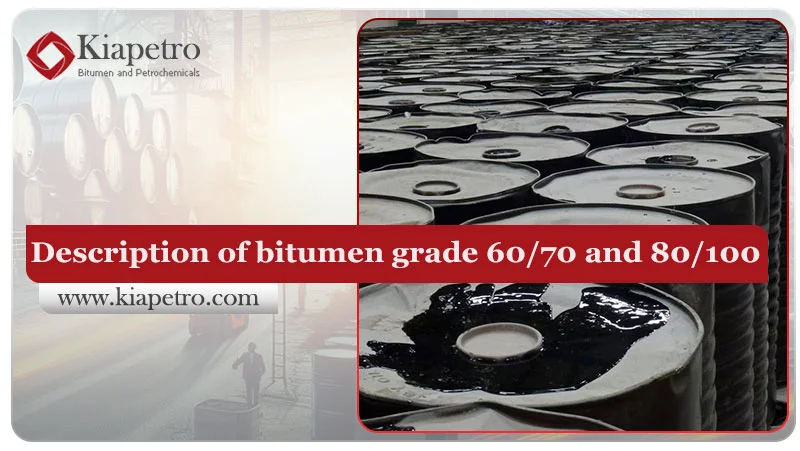
Description of bitumen grade 60/70 and 80/100
Bitumen 60/70 and bitumen 80/100 are versatile materials used in various applications, each offering unique qualities suited for specific environments and needs. The difference between bitumen 60/70 and 80/100 lies in their consistency, performance in different climates, and suitability for various types of projects.
If you’re searching for a trusted partner in high-quality bitumen supply and export, you need to check out Kiapetro. Discover why it’s the smart choice right here!
| Why Kiapetro |
Bitumen 60/70
Bitumen 60/70 is a semi-hard penetration grade and the most widely used bitumen grade, acting as a base for other bituminous products. Produced through the vacuum distillation of crude oil, it has moderate viscosity and a softening point between 49-56°C. Kiapetro, a trusted producer of bitumen 60/70, supplies your company with the best quality bitumen 60/70.
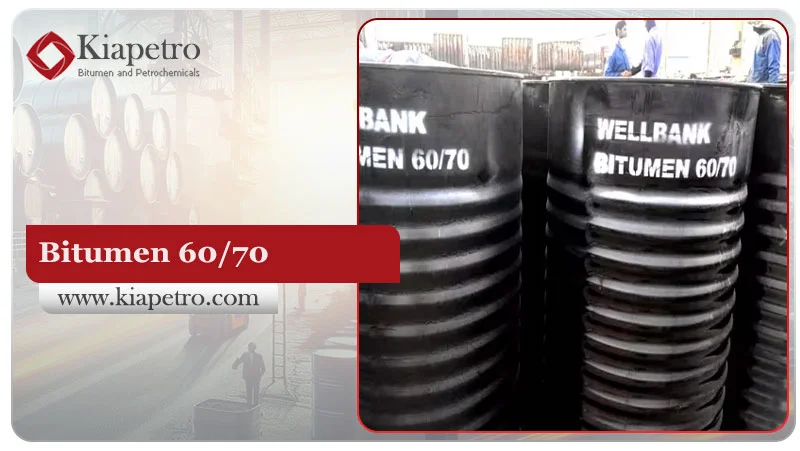
Bitumen 60/70 application
The difference between bitumen 60/70 and 80/100 is more than their applications. Bitumen 60/70 is used in road construction, roofing, insulation, and waterproofing, making it ideal for moderate climates and asphalt applications.

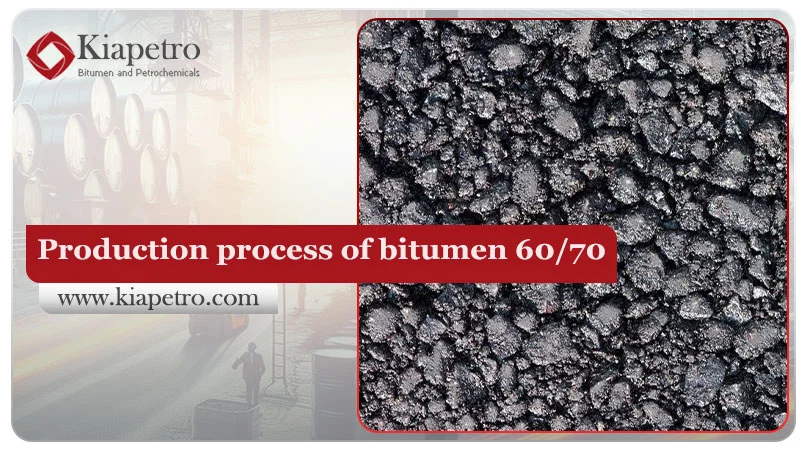
Production process of bitumen 60/70
Bitumen 60/70 is produced from crude oil through a blowing process, offering medium hardness. It’s cost-effective and produced directly from vacuum distillation without further processing.
At Kiapetro, bitumen 60/70 is produced based on global standards to meet the needs of every application.
Bitumen 80/100
Bitumen 80/100 is a soft grade for cold climates, used in hot mix asphalt. It has a penetration range of 80-100, a density of 980-1050 kg/m³, and strong adhesive properties. Produced through oxidation, it softens in heat and hardens when cooled.
Besides bitumen 60/70, Kiapetro produces and supplies the best quality bitumen, which is based on international standards.
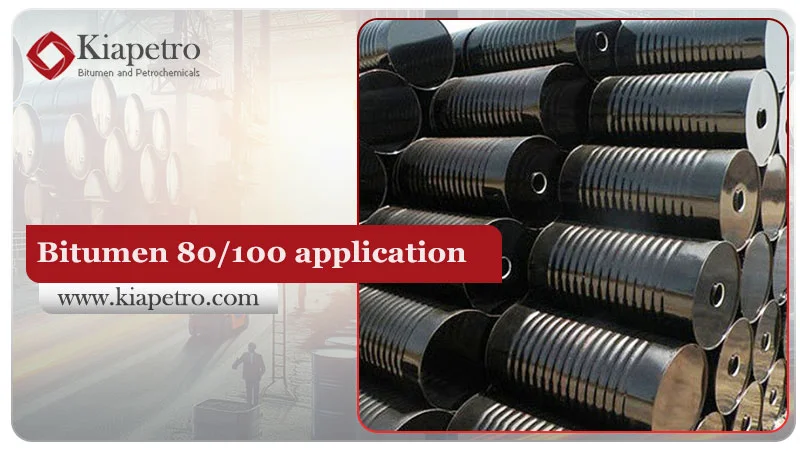
Bitumen 80/100 application
Bitumen 80/100 is primarily used in road construction, especially for asphalt pavements. It is essential for producing hot mix asphalt for base and wearing courses, ensuring durable and high-performance surfaces.
Production Process of Bitumen 80/100
The difference between bitumen 60/70 and 80/100 is more than their production process. Bitumen 80/100 is produced by air-blowing vacuum residue at controlled temperatures, using semi and fully air-blowing methods to achieve the required consistency and performance.
-

Penetration grade bitumen 60/70
Read more Order Via WhatsApp -
Penetration Grade Bitumen 80/100
Read more Order Via WhatsApp

Difference between bitumen 60/70 and 80/100
Bitumen 80/100 Vs 60/70 differ primarily in their penetration range, consistency, and suitability for various climates.
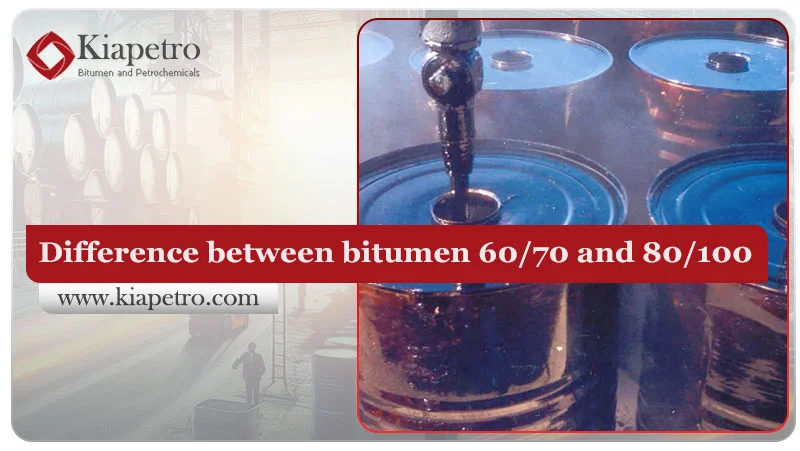
Comparison of bitumen 60/70 and bitumen 80/100
The difference between bitumen 60/70 and 80/100 is not just about their applications. There are other points about Bitumen 60/70 Vs bitumen 80/100.
Penetration Range
A difference between bitumen 60/70 and 80/100 is their penetration. Bitumen 60/70, with a penetration range of 60-70 dmm, is harder and ideal for heavy traffic and preventing deformation.
Bitumen 80/100, with a range of 80-100 dmm, is softer and more flexible, making it suitable for easier workability and application.
Suitability for Climates
Another difference between bitumen 60/70 and 80/100 is related to the climate they are used in. Bitumen 60/70 is ideal for hot climates and heavy traffic, offering resistance to deformation with its higher viscosity.
Bitumen 80/100 is better suited for cooler climates, providing flexibility, but may soften and deform under high temperatures and heavy traffic.
Softening Point
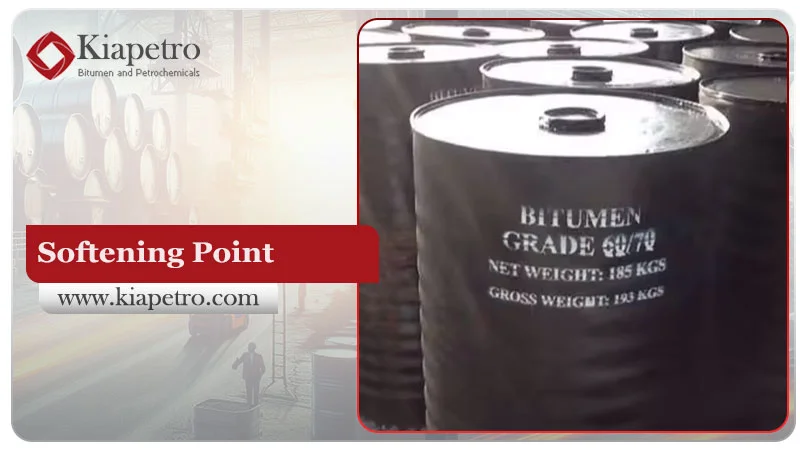
Bitumen 60/70 has a softening point of 49-56°C, making it ideal for hot climates and heavy traffic. Bitumen 80/100, with a lower softening point of 42-52°C, is more flexible in cooler temperatures but can soften and deform in heat.
Traffic Suitability
Another difference between bitumen 60/70 and 80/100 is traffic suitability. Bitumen 60/70 is perfect for high-traffic areas in hot climates, offering resistance to deformation. Bitumen 80/100 is more flexible and suits low to medium traffic in cooler regions but may rut under heavy traffic in heat.
Durability
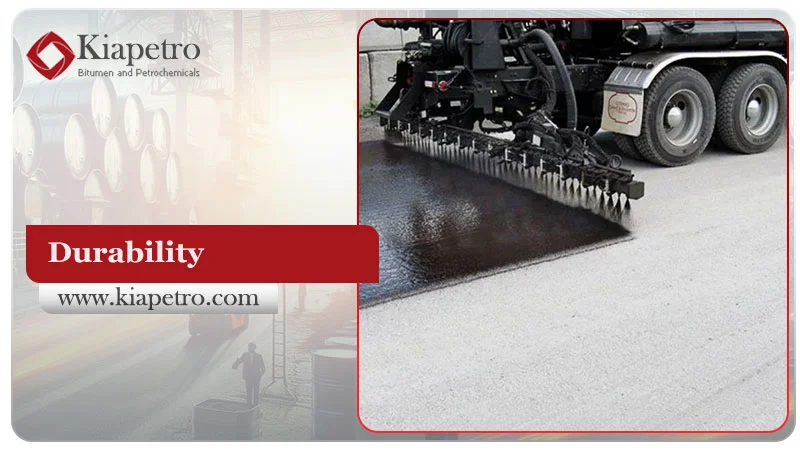
Bitumen 60/70 is durable, resistant to aging and deformation, and ideal for high-traffic roads in hot climates. Bitumen 80/100 is more flexible but less durable, suitable for light-duty applications in cooler areas with lower traffic.
Cost
Bitumen 60/70 is cost-effective for hot, high-traffic areas, offering long-term savings. Bitumen 80/100, which is more expensive initially, suits cooler climates but may require higher maintenance in warmer regions.
Why Kiapetro?
At Kiapetro, we deliver high-quality penetration grade bitumen tailored to our clients’ needs, whether for one-time or ongoing orders. We offer competitive pricing, reliable delivery, and flexible payment terms to ensure cost-effective solutions without compromising quality.
Specializing in PG and VG grades, as well as a variety of other bitumen options, we ensure that all our products meet international standards, offering consistent and dependable performance.
This includes a wide range of options, such as the differences between Bitumen 60/70 and 80/100, allowing us to provide tailored solutions that match specific project needs.
Summary
The difference between Bitumen 60/70 and 80/100 is in their consistency, performance, and suitability for various applications. Bitumen 60/70 is ideal for hot climates and high-traffic areas, while Bitumen 80/100 is more flexible and is suited for cooler climates and lower traffic.
Their production processes differ, with 60/70 using vacuum distillation and 80/100 using air-blowing. Kiapetro provides high-quality bitumen options, ensuring tailored solutions and competitive pricing.
FAQ
- Which bitumen grade is more durable?
Bitumen 60/70 is durable for heavy traffic, while Bitumen 80/100 is flexible for light use.
- What is the primary difference between Bitumen 60/70 and 80/100?
Bitumen 60/70 is harder for heavy traffic; 80/100 is softer for lighter traffic.
- Does Bitumen 80/100 have any limitations?
It is flexible but not for heavy traffic or heat.




No comment