
Hot asphalt recycling is an important technology that deserves careful attention, yet many people are unfamiliar with how the process actually works. With insights from KIAPETRO experts, this article aims to provide a clear understanding of the principles and benefits of hot asphalt recycling.
If you are curious and you want to understand more about Hot asphalt recycling, we will guide you and tell you in detail how the process of this system ends, to have this feel you will enjoy it.

What is Hot Asphalt Recycling?
This process is a process where old pavement is removed from the road. This can be done with or without new materials. After removing it, the old asphalt is broken down into small pieces. The mixture is combined with bitumen and asphalt repairs at a hot asphalt plant.
Then, it’s spread on the road and pressed down to make it smooth. These materials can be changed using new stones, hot asphalt, or bitumen in certain situations. Cold asphalt recycling is a way to reuse pavement that doesn’t need a hot asphalt mixing plant.
In the cold recycling process, the surface materials are reused right where they are, with or without the base materials. Asphalt recycling is a way to manage waste. This is how the process of Hot asphalt recycling is done.
For updated cost details and supply options, you can check the Cold mix asphalt price page.
How does the Hot Asphalt Recycling System work?
The stones, sand, and gravel in asphalt can be broken down and used again without losing strength. The warm or hot mix asphalt cement, which keeps the small stones and materials together, still works like it was meant to; it sticks everything in the asphalt road or parking lot together. Asphalt cement turns from solid to liquid when it gets hot.
So, when old hot or warm mix asphalt is heated again, it becomes like it was when it was first made. Cold mix asphalt can be reused, but it needs extra materials to help bring it back to life. It’s easy to explain how it works, but making a good asphalt mix needs skills and experience.
Choosing the right supplier is important to get the best mix for your surface based on your needs. So buy from a company that has the best products of bitumens, in this way you can see the best result.
For a clearer understanding of optimal material selection, you can review the best bitumen for hot asphalt production page.
What are the materials of Hot asphalt recycling?
Hot in-place asphalt recycling is a method used to fix old and damaged asphalt roads. The work is done right where the pavement is, using special machines. It starts by heating up the surface to make it softer.
The asphalt that is broken up and taken away by milling machines is mixed, either with or without adding a substance to make it new again. This mixture is then poured on the road and packed down by Asphalt Waste Recycling Technology.
This simple recycling method works well, but sometimes we need to add other materials to make improvements or fix problems. Hot in-place asphalt recycling is a good way to fix common problems with worn-out roads.
Cracks are stopped and filled in. The material without bitumen is mixed again and covered once more. Pits and holes are filled, and bumps and uneven areas are made smooth. The drainage and crowns are put back in place.
Flexibility is brought back by using chemicals to refresh the old and hard pavement. The mix of materials and the amount of asphalt can be changed. Highway safety is better when roads have better grip.
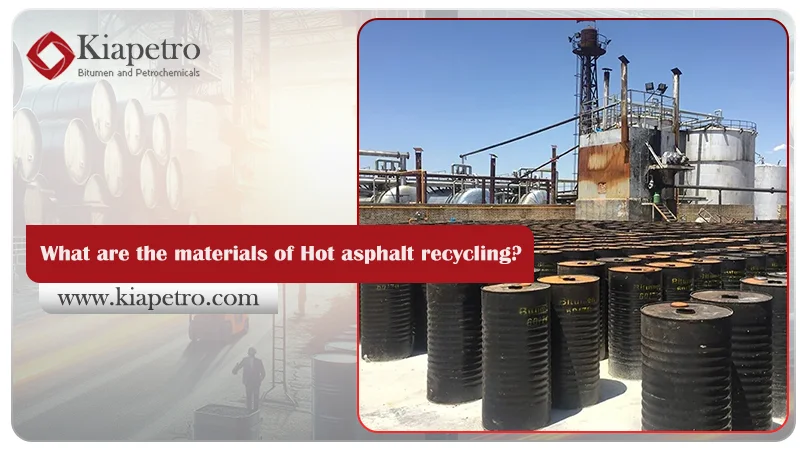
Suitable Bitumen Types for Hot Asphalt Recycling Applications
In hot asphalt recycling projects, the choice of bitumen directly affects mix workability, rejuvenation of aged binder, and long-term pavement performance. Different recycling scenarios require different bitumen characteristics depending on RAP content, project objective, and operating conditions. The table below shows which bitumen types are commonly selected for specific hot recycling situations and why.
| Hot Recycling Scenario | Recommended Bitumen Type | Why This Bitumen Is Suitable |
|---|---|---|
| Low RAP content recycling | Penetration Grade Bitumen | Maintains balance between strength and workability |
| High RAP content recycling | Softer Penetration Grade Bitumen | Compensates for stiffness of aged binder |
| Heavy-traffic rehabilitation | Polymer-Modified Bitumen | Improves durability and resistance to deformation |
| High-temperature environments | Heat-resistant Bitumen Grades | Maintains stability under elevated temperatures |
| Structural pavement renewal | Functional / Modified Bitumen | Enhances bonding and long-term performance |
Benefits of using hot in-place asphalt recycling
Asphalt made for different layers (like the top layer and the binder layer) must meet the required rules and guidelines. The bitumen chosen for making hot asphalt usually has a soft texture and flows easily.
This allows it to soak into new stones and meet the needed standards when mixed with hardened bitumen from recycled materials. The combination of new and recycled bitumen in RAP provides the key qualities of bitumen needed for the design, such as how it performs in different weather and how it supports traffic weight.
The benefits of Hot asphalt recycling are:
- Saving natural resources.
- Making the pavement stronger without significantly changing how thick it is.
- Fixing problems with the road surface (like cracks, missing pieces, grooves, and marks from wheels on asphalt).
- Increasing how well something slides without stopping.
- Making bitumen harder and helping asphalt last longer.
- Staying the same with the project’s numbers and adjusting to the road’s shapes.
- Reducing waste and getting rid of the need for a disposal area.
Summation
As a client which know some information about Hot asphalt recycling and wants to consider more about it, we will give you enough detail to use it in a useful way and don’t have any worries.
You should know how to work on Hot asphalt recycling and be sure that you understand the whole process, then you can have more details about the features of this factor and assure yourself.
FAQs
- How is the process of recycling asphalt?
This process includes removing existing roadway to create varying depths and blending it with new material, then placing it back in place.
- Is asphalt 100% recyclable?
In some cases, we can say yes, and Asphalt is 100 percent reusable and recycled.
- How good is recycled asphalt?
We can reduce the amount of new materials used in road construction, thereby decreasing the carbon footprint.



No comment