

Application of oxidized bitumen in wool industries is closely linked to insulation manufacturing, thermal resistance systems, and industrial bonding processes. In mineral wool and insulation production, oxidized bitumen is valued for its controlled hardness, high softening point, and thermal stability.
Kiapetro supplies oxidized bitumen grades suitable for industrial applications, supporting manufacturers with consistent specifications and export-aligned supply structures for insulation and wool-based production systems.

A short description of oxidized bitumen
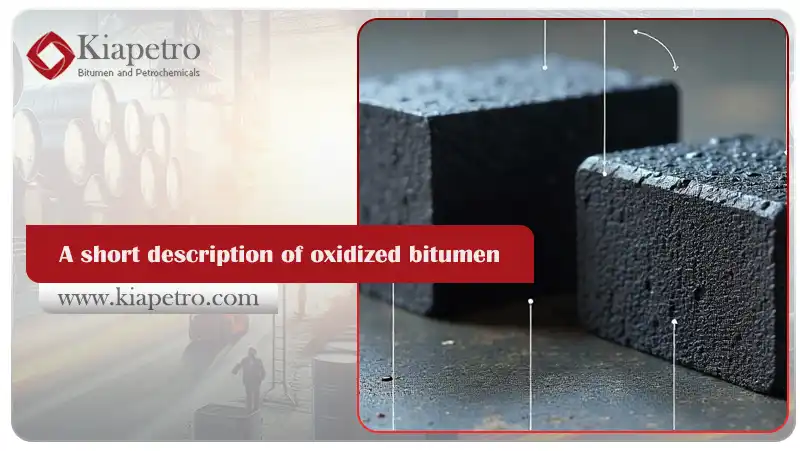
Blown bitumen, or bitumen oxidized, is a type of bitumen made by blowing hot air through penetration-grade bitumen. This method makes the bitumen harder and rubbery, with a high softening point and durability.
Thanks to its hardness and its heat and water resistance, it makes it ideal for conditions where bitumen is exposed to weather, heat, and extreme conditions or industrial uses.
-

Oxidized bitumen 115/15
Read more Order Via WhatsApp -
Oxidized bitumen 85/25
Read more Order Via WhatsApp -
Oxidized bitumen 95/25
Read more Order Via WhatsApp


Common grades of oxidized bitumen include 95/25, 85/25, 90/40, and 115/15, with custom grades available upon request. All grades, along with custom ones, can be produced by a trustworthy bitumen oxidized supplier, Kiapetro.
Benefits of oxidized bitumen
Benefits of oxidized bitumen are not just in the application of oxidized bitumen in wool industries. This product has numerous advantages, which are:
- High softening point
- Improved water resistance
- Greater adhesion
- Long-term durability
- Enhanced performance in hot climates
- Reduced rutting and deformation in pavements
Manufactured using a controlled air-blowing process, oxidized bitumen offers a higher penetration index, solid form at ambient temperature, and excellent performance in high-temperature environments, preventing bleeding or deformation.
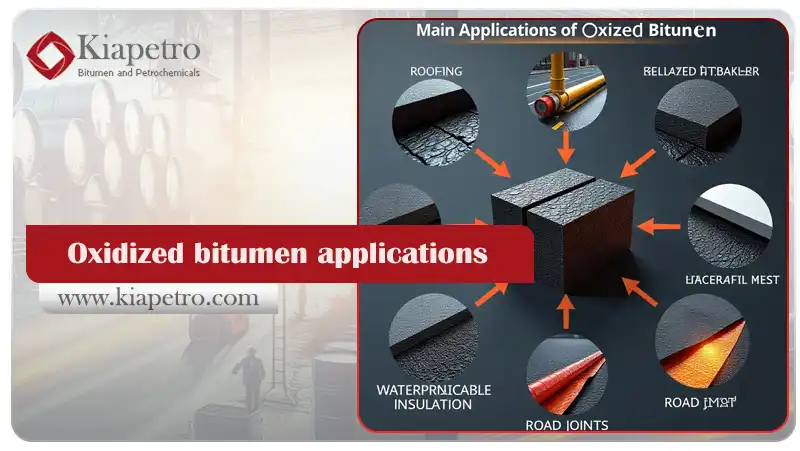
By virtue of oxidized bitumen’s durability, flexibility, water resistance, and chemical stability, oxidized bitumen is widely used in many industries such as:
- Waterproofing: For roofs, foundations, and membranes
- Road Surfacing: Enhances durability and deformation resistance
- Paints & Coatings: Used in mastics, primers, and weatherproof finishes
- Adhesives: Strong bonding agent for the construction and automotive sectors
- Pipe Coatings: Protects pipelines from corrosion
- Electrical Insulation: High dielectric strength for cables and wires
- Wool Industry: Application of oxidized bitumen in wool industries is for waterproofing, bonding, stiffening, and fire retardancy in wool products.
Oxidized bitumen in wool industries
Oxidized bitumen has an adaptable role in wool processing. Application of oxidized bitumen types in wool industries enhances the performance and durability of wool products such as carpets, rugs, garments, and industrial textiles.
Kiapetro, with over 10 years of experience, supplies high-quality oxidized bitumen in all grades to the wool industry to meet the needs of clients.
Purchasing oxidized bitumen from a trusted supplier makes the application of oxidized bitumen in wool industries more reliable and efficient. Like all industries, there are advantages to the application of oxidized bitumen in wool industries.
- Waterproofing: Acts as a coating or impregnating agent to protect wool items from water damage.
- Bonding Agent: Helps bind wool fibers during spinning or felting, improving strength and durability.
- Fire Retardant: Bitumen-based coatings enhance fire resistance for added safety.
- Dye Fixative: Locks in color during dyeing, reducing bleeding and fading.
- Stiffening Agent: Adds structure and rigidity to felted or technical wool textiles.
Types of oxidized bitumen grades in wool industries
Oxidized bitumen is available in different grades based on its hardness. For this industry, normally medium to hard grades are used. These grades are produced at Kiapetro with the best qualities and packaging.
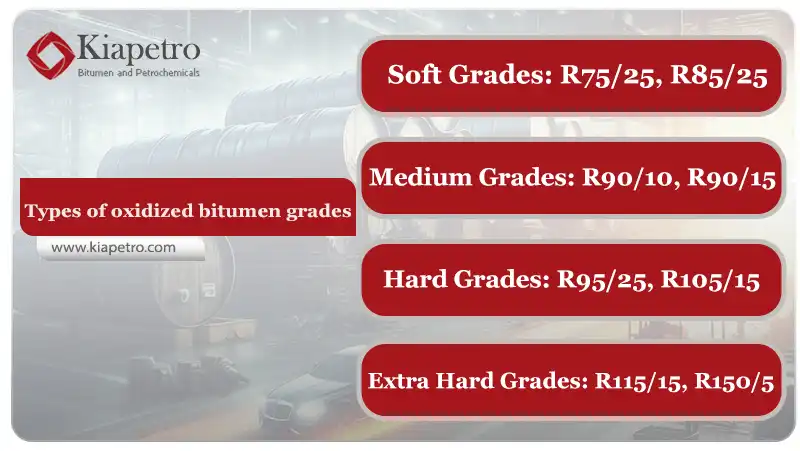
These grades are used in different industries, like the wool industry. These grades are:
- Soft Grades: R75/25, R85/25 – Used in paving and light coatings
- Medium Grades: R90/10, R90/15 – Ideal for waterproofing
- Hard Grades: R95/25, R105/15 – Used in sealants and heavy-duty coatings
- Extra Hard Grades: R115/15, R150/5 – For industrial applications in harsh environments
Where to purchase?
Kiapetro offers high-quality oxidized bitumen at a competitive price with flexible payment options. We ensure timely delivery and provide customized solutions for both one-time and recurring orders to meet our clients’ needs.
With a focus on the oxidized bitumen, we guarantee top quality. From sourcing and refining bitumen to application of oxidized bitumen in wool industries, we prioritize durability and optimal performance in a range of applications.
Summary
At Kiapetro, different grades of oxidized bitumen can be produced to be used in wool industries. This substance, with a high softening point, durability, and high heat resistance, is ideal for this industry. Also, oxidized bitumen is essential for waterproofing, bonding, stiffening, dye fixing, and fire resistance.
FAQ
- How does oxidized bitumen help in waterproofing wool?
It is a coating or impregnating agent that prevents water penetration.
- Is oxidized bitumen safe for use in wool garments or textiles?
Yes, when used correctly, it enhances performance and safety.
- Does oxidized bitumen affect dyeing processes?
Yes, it can function as a dye fixative by locking in colors and reducing bleeding or fading during use or washing.



No comment